
Article by
Paul Pontenagel
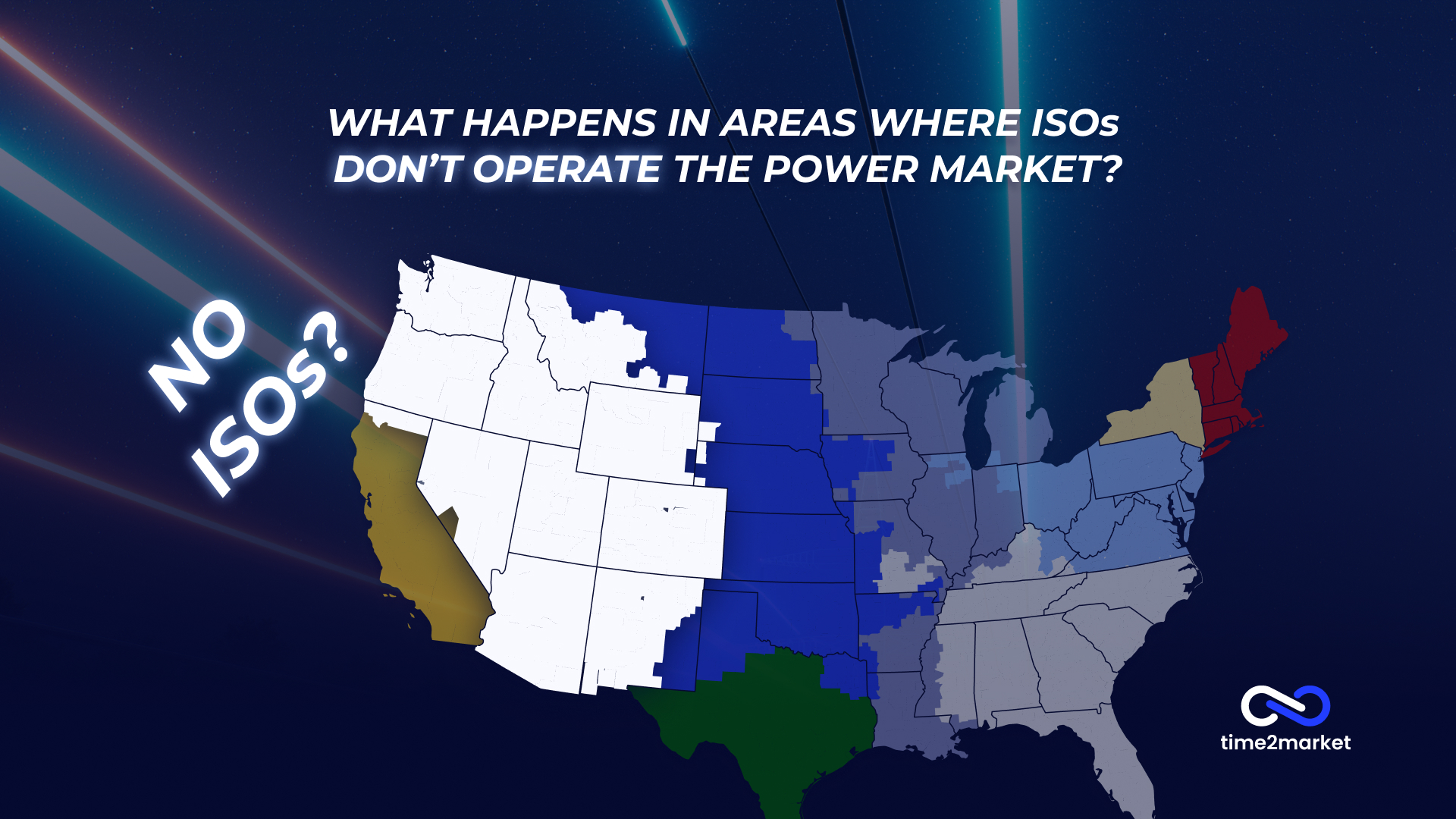
The USA’s Western Interconnection is entering a pivotal phase of transformation, as long-standing bilateral structures and fragmented balancing areas begin to give way to broader, more coordinated market frameworks. At the center of this shift are two initiatives: CAISO’s Extended Day-Ahead Market (EDAM) and SPP’s Markets+.
Both aim to expand regional optimization, improve reliability, and support the integration of renewable resources, yet they reflect fundamentally different approaches to governance, market design, and institutional evolution. Understanding how these initiatives position themselves and how they interact with the West’s existing physical and reliability structures is key to assessing the trajectory of market integration across the region.
If this is your first time reading about USA’s wholesale power markets, we recommend you start with how the USA’s wholesale power markets function before continuing this article. You may also want to read about how AI data center demand is reshaping US power markets.
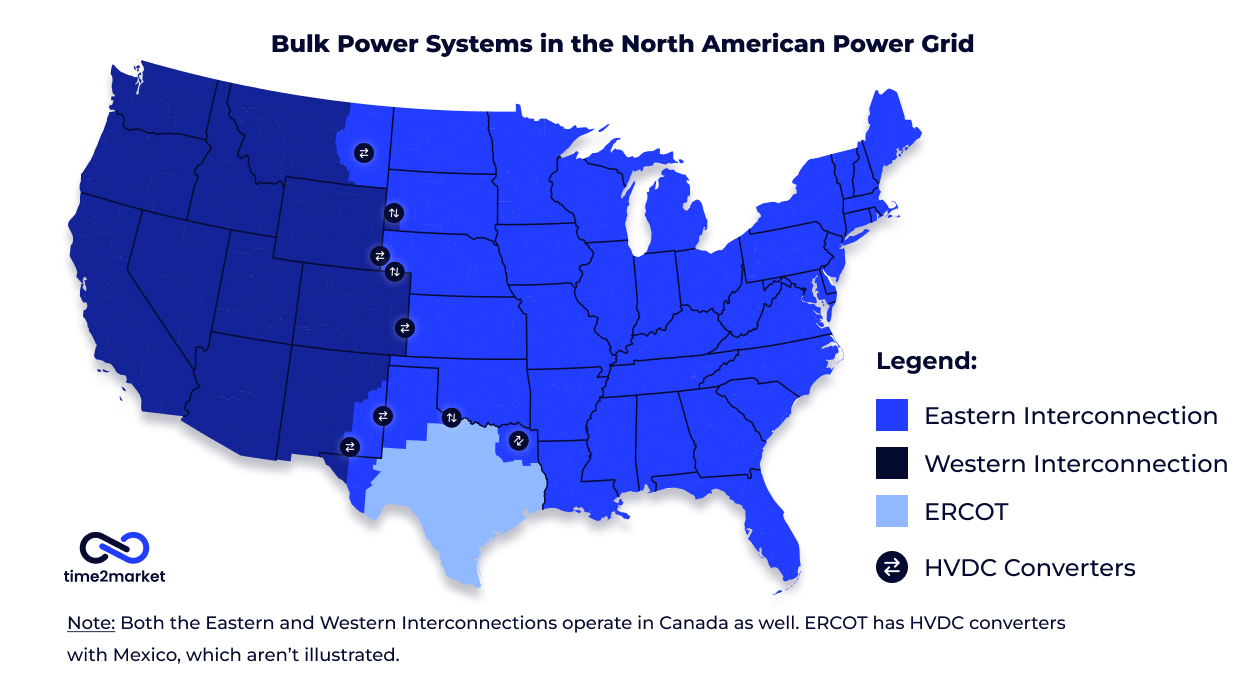
The Western Interconnection remains a patchwork of balancing authority areas, transmission providers, utilities, public power entities, and federal systems coordinated for reliability under North American Electric Reliability Corporation (NERC) and WECC rules, with market services layered on top voluntarily. WECC is the regional reliability entity for the Western Interconnection and certifies/registers organizations such as Reliability Coordinators (RCs), Balancing Authorities (BAs), and Transmission Operators (TOPs). In operations, the West today includes multiple RC areas, including CAISO’s RC West and SPP’s western RC services, with formal seam coordination between them.
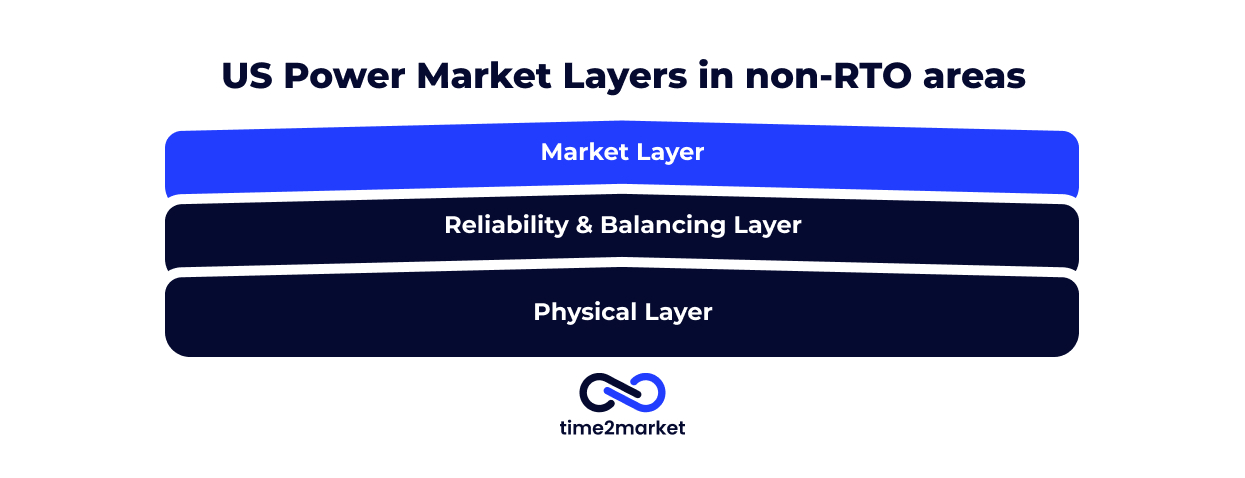
A useful way to think about the West is in layers. The physical layer is the actual transmission grid and generators. The reliability balancing layer is where BAs, TOPs, and RCs keep frequency, reserves, outages, and constraints under control. The market layer is optional and sits on top: it can optimize dispatch and trading across multiple balancing authorities, but it does not eliminate the need for each entity to meet reliability obligations unless that entity actually joins a broader Regional Transmission Organization (RTO) structure. California’s RTO, CAISO, says this explicitly for participants of their WEIM initiative in the market layer, which are discussed below: “Participants keep flexibility over their assets and maintain their own compliance responsibilities under NERC/WECC while using the shared market platform.”
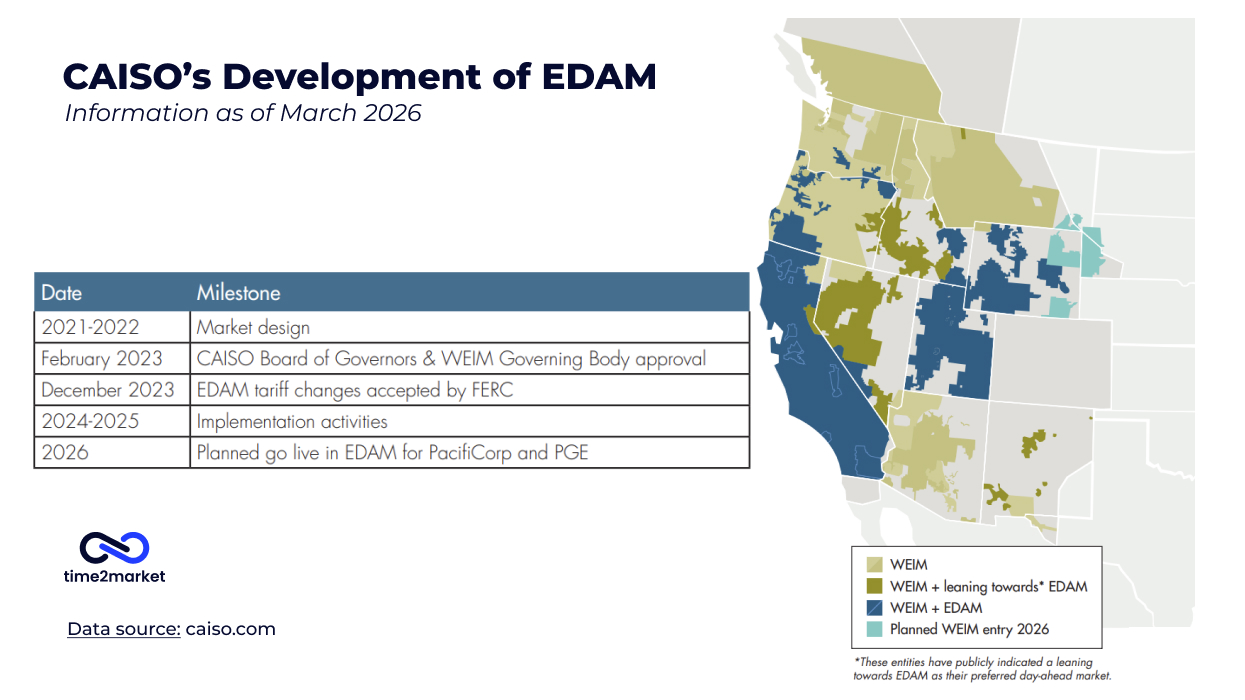
Within that framework, the two main expansion tracks in the West are CAISO’s Western Energy Markets path and SPP’s western services path. CAISO’s path starts with the already operational WEIM real-time market and extends into EDAM day-ahead. SPP’s path starts with the already-operational WEIS real-time balancing market and extends into Markets+. In parallel, SPP is also expanding its full RTO footprint into part of the West.

On the CAISO side, the base product that is already functional is the Western Energy Imbalance Market (WEIM). CAISO defines WEIM as an extension of its real-time market to other balancing authority areas in the Western Interconnection. WEIM was launched in 2014 and is voluntary. It’s an energy-only real-time imbalance market, not a full multi-state RTO. By Q4 2025, CAISO reported WEIM cumulative benefits above $8 billion since inception, with a wide footprint and 23 balancing areas in that quarter’s benefit update.
CAISO’s next step is EDAM, the Extended Day-Ahead Market. CAISO defines EDAM as a voluntary day-ahead market that extends day-ahead optimization to participating balancing authorities outside the CAISO balancing area, using a framework similar to WEIM rather than requiring those utilities to join the CAISO balancing area itself.
On the SPP side, the already-functional western product is WEIS, the Western Energy Imbalance Service. SPP defines WEIS as a real-time market in the Western Interconnection that centrally dispatches every five minutes to balance load and generation regionally. WEIS was launched in 2021 and utilities do not need to be members of the SPP RTO to participate. That makes WEIS conceptually similar to CAISO’s WEIM in being a real-time balancing product layered on top of existing western entities.
SPP’s next western market product is Markets+. SPP describes it as a regional western market that goes beyond current imbalance market services; FERC approved the Markets+ tariff in January 2025, and the program entered Phase Two implementation. SPP’s framing is that Markets+ is a voluntary organized market for the West that can provide day-ahead and real-time value, enhance reliability, compensate participants equitably, and better manage seams. In SPP materials and protocols, Markets+ is more than just a day-ahead auction: it includes day-ahead and real-time unit commitment/dispatch features and related operating/settlement rules intended to function as a broader organized market service bundle. SPP’s Markets+ page points to an October 2027 go-live for entities that met the onboarding deadlines.
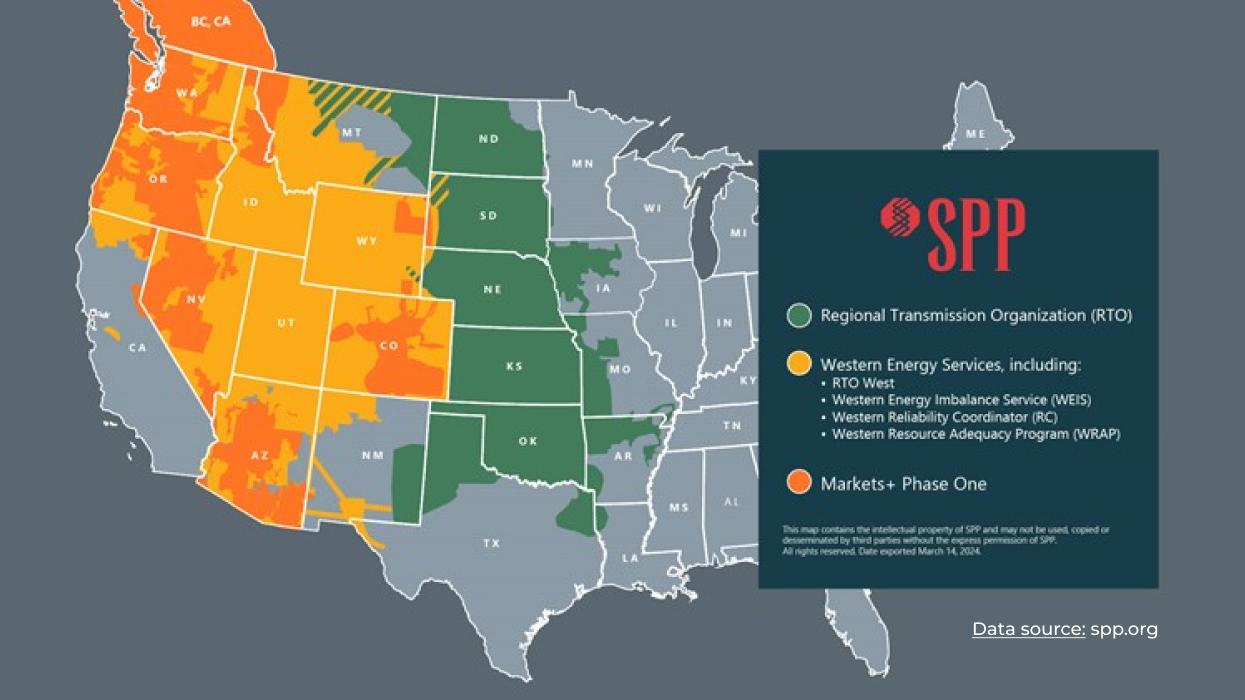
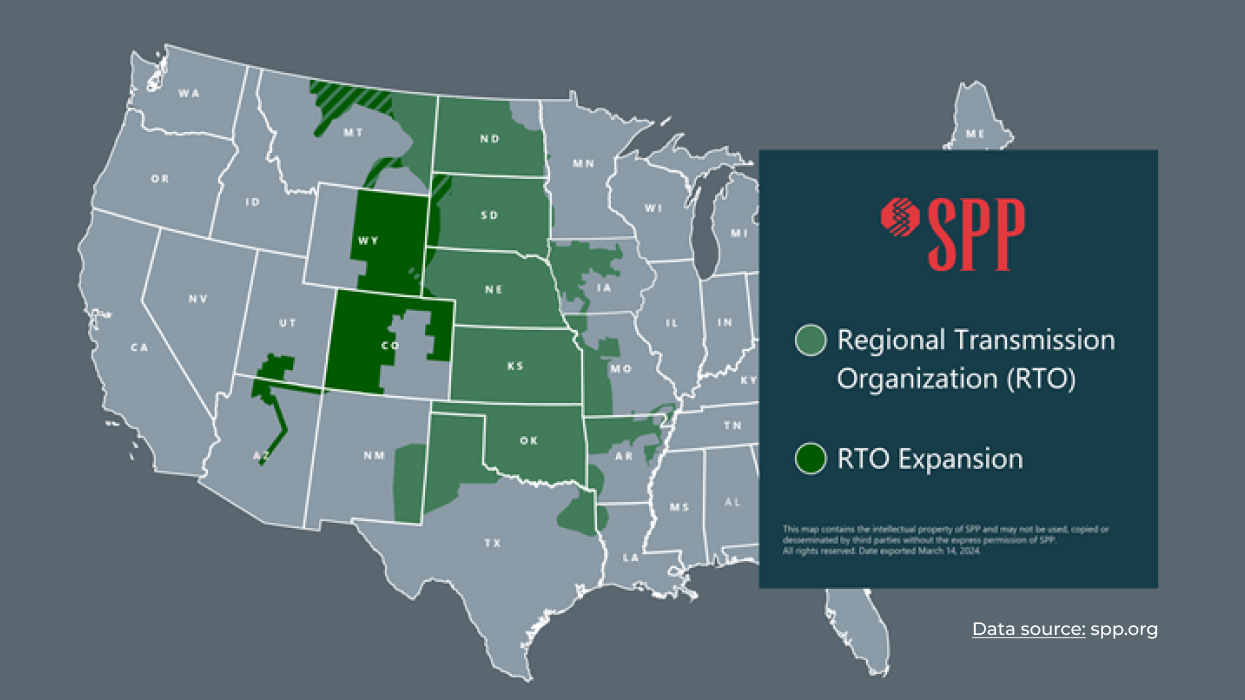
SPP is also doing something CAISO is not doing in parallel: expanding its actual RTO footprint into part of the West. FERC approved SPP tariff changes that allow nine western entities, previously in WEIS, to begin participating in SPP’s Integrated Marketplace, transmission planning, reliability coordination, and other RTO services beginning in April 2026. That matters because it means SPP’s western strategy is not only to market services for independent western BAs, but a full RTO integration for some willing western utilities.
SPP’s positioning differs somewhat from that of CAISO. In the Western Interconnection, SPP presents itself as a neutral, external operator providing a suite of modular services, including reliability coordination (RC), the Western Energy Imbalance Service (WEIS), operation of the Western Resource Adequacy Program (WRAP), the Markets+ initiative, and, for certain entities, the option of full RTO participation.
By contrast, CAISO’s approach in the West is centered on expanding outward from its existing market framework, primarily through the development of regional market services, while simultaneously advancing governance reforms. SPP’s model, in comparison, emphasizes a more flexible, service-based structure, offering participants a continuum of options ranging from reliability coordination and market participation to full integration within the SPP RTO.
The Western Interconnection is clearly moving toward greater coordination and broader market integration, but the path forward remains plural rather than unified. CAISO and SPP are advancing distinct, yet overlapping, models that reflect different philosophies on governance, participation, and the role of centralized markets in a historically decentralized system. Whether these approaches ultimately converge, coexist, or compete over the long term will depend on participant choices, regulatory developments, and the evolving needs of the grid.
Given the pace of change, we encourage you to consult CAISO’s and SPP’s official announcements and program updates for the most current information on their respective western expansion efforts.
Our team of experts has developed an invaluable self-assessment tool based on over 300 successful market entries — so you know exactly where your organization stands before you make your next move.
✅ Takes just 8–10 minutes
✅ Completely free
✅ Receive your tailored report instantly
✅ Trusted by firms managing billions in AUM
Answer 30 questions and receive a personalized readiness report covering your strategic fit, regulatory exposure, financial requirements, and realistic timeline to first trade.

Disclaimer: Time2Market ApS is not responsible for the completeness, accuracy, and actuality of the information provided. This article is intended for informational purposes only and should not be considered business or legal advice. The energy industry is extremely dynamic and counterparties change their requirements frequently. As a result, information discussed on this page is subject to change without notice.
This page has last been updated on
August 4, 2026